
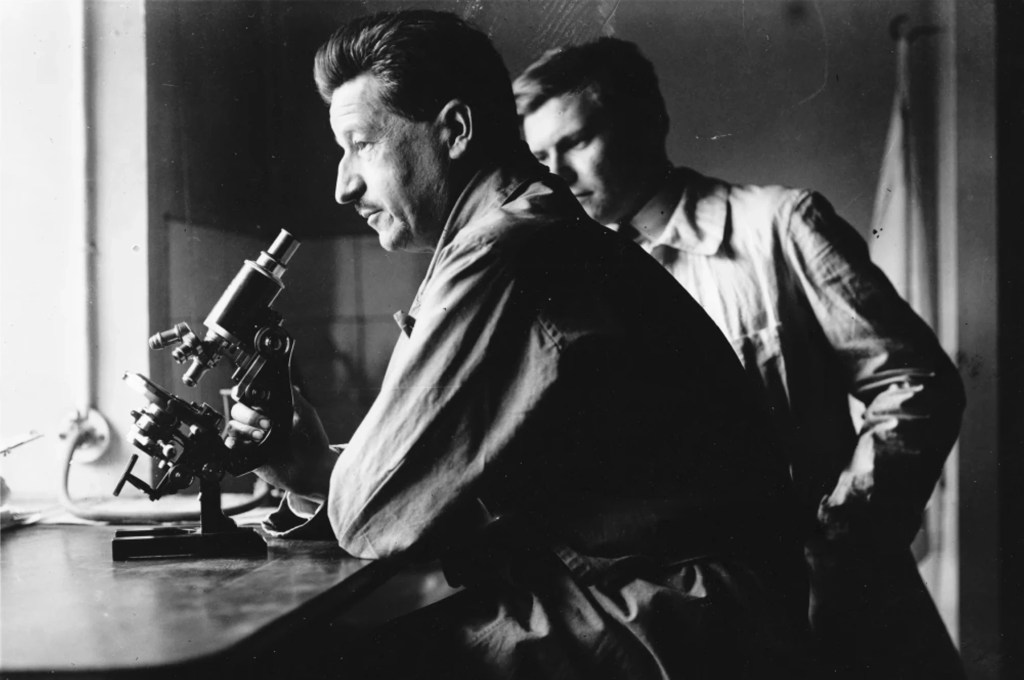
In 1920 Dr Edmond Locard, a renowned French criminologist, unleashed a theory so profound that he became known as the Father of modern forensic science and earned himself the nickname The French Sherlock Holmes. Locard’s principle theorizes that in any crime the criminal both leaves something of himself (or herself) at the scene and carries something of the scene with them. Simply put “every contact leaves a trace”. It may seem like a no brainer now but it was a revolutionary thought that transformed police work forever.
What may or may not still be true in the criminal world, given modern awareness of dna evidence etc., none the less is profoundly true in the world of social interaction. Every time we cross paths with another human being, however large or small the connection, we both leave a trace and carry a trace with us. We are, whether we like it or not marked by those we meet. Unfortunately most of us, most of the time, give little thought to what kind of marks we’re making. What kind of traces we are leaving. And when it comes to crossing paths with those caught in cycles of poverty or pushed, for whatever reason, to the margins of society, we often do all we can to rub off the traces as quickly as possible. Whether it’s a story on the news, walking past someone homeless on the streets or sitting as someone seeking asylum pours out the horrors of their journey, it leaves a trace. The briefest of glances can impact our thinking if we let it but truth be told, we don’t want the pain and the heartache of what they are experiencing to sink in. We don’t want to have to wrestle with the anger of injustice and the maddening frustration of our impotence to stand against it.
Every contact leaves a trace but the “gift” of privilege gives us any number of soaplike options with which to wash ourselves “clean”; to purge the experiences of the other and to return to our comfortable safe bubbles. Like bleach on a bloodstain, however, we can never actually remove the trace (or so CSI has taught me) and we only succeed in damaging the surface along the way. When we attempt to guard our hearts from the reality of the lives those around us our living we limit our own ability to feel, to experience, to learn, to grow. We shrink our world to what is comfortable and safe and known and we reduce our ability to touch what is real and true. What if we chose courage and trained ourselves to sit, even for a moment, in the disorientation of the unknown? What if we learned to ask ourselves better questions – how did that conversation make me feel? What did that briefest of eye contact make me think? How would I cope if that were my story? What might I learn about courage and resilience from her? Where am I woefully under informed about whole swathes of life in my own city?
Learning to reflect, learning to process even for a moment, has the power to deeply enrich our lives. As I’ve sat in, not just the traces, but the bruises, the scars, and the kisses, of encounters with people whose stories are very other from mine, I have learned so much. My life is deeper and richer and fuller. My ego is battered and bruised (no bad thing). My view of the world is both wider and way, way less clearcut. Don’t get me wrong, not all traces are good. Some need washed off in reflection and healing, not in numbing or denying, but so many encounters everyday are invitations into treasure if we’re willing to courageously, vulnerably, do some mining.
What question might you train yourself to ask? If you’re struggling for one, I’d suggest – how must that feel? – not is this person’s story true or deserved or a product of their own doing or my responsibility to fix but simply – how must that feel? – and sit for just a moment in the pondering. It might feel like a punch to the chest but ride it out. That little question has taught me so much. Like how little I know about courage and strength and self-sacrifice and resilience in the face of crushing odds. It has humbled me more times than I should need and it has helped me see that traces, however small, always have the potential to teach and stretch me if I’ll let them.
And that doesn’t even begin to poke at the question of what traces are we leaving? Are we even thinking about how our presence, our words, our countenance, even just our time leave a mark on those we meet? How might our communities shift if we thought about the marks we make? If we realised that our tone and posture have the potential to swing a few small words from harm to blessing?
Every contact leaves a trace. It is unavoidable. All we can have, at least a little, control over is the kind of marks we leave on those we bump into every day and how we we’ll hold the marks they leave on us…

 Some things i think...