
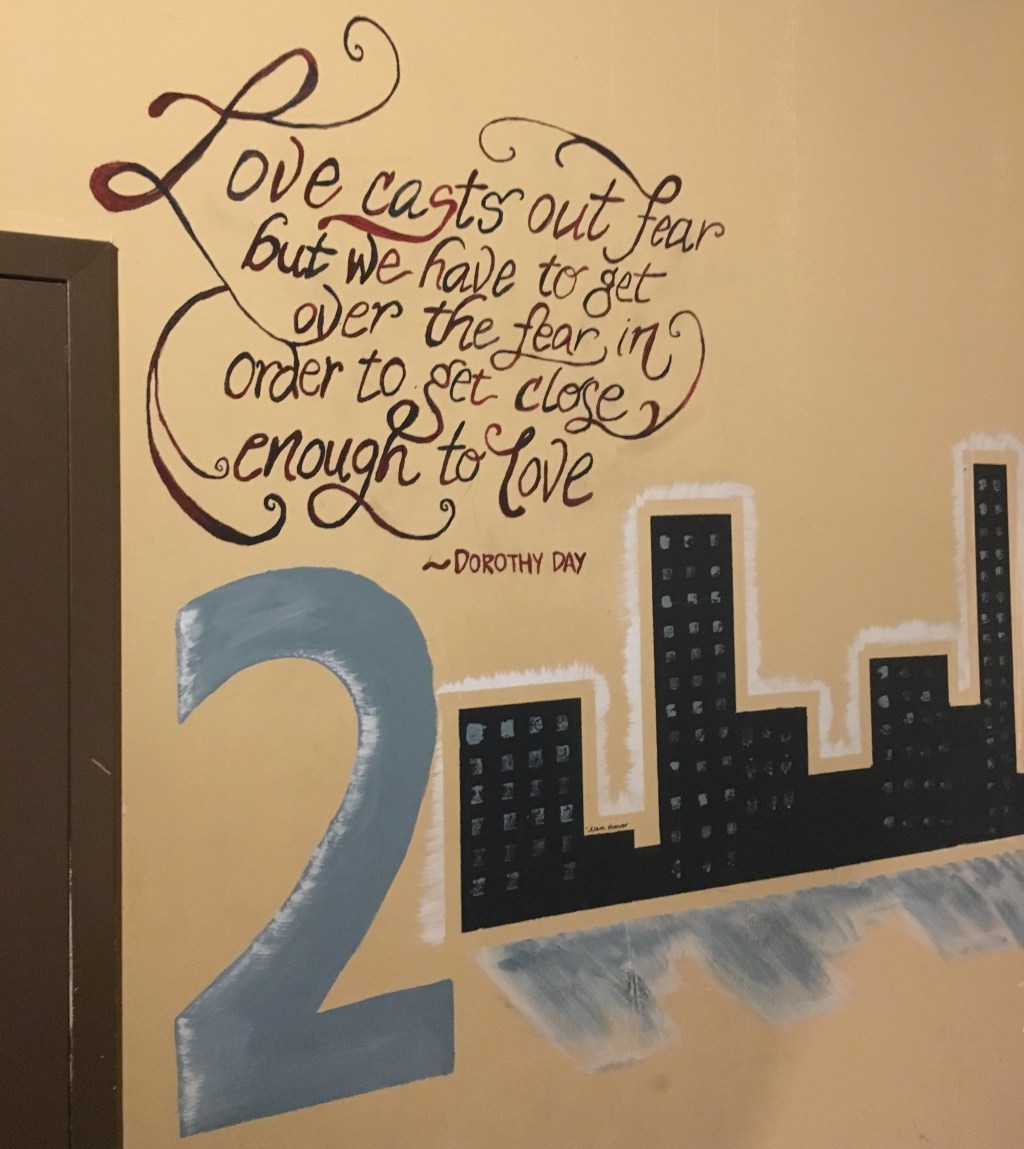
Recently I got to spend some time with a new friend chatting through some encounters with the vulnerable and he told me about a homeless guy he knew in his city. They had connected outside his place of work and this guy would often be present on the street right by his office window. As they got to know one another he would come and bang on the window and shout, “hey Nathan grab me a juice, don’t you know how hard it is to be on the streets right now.” My friend would go get him a juice from the fridge and pass it out the window and they would both get on with their day’s but something shifted as he realised that handing out a juice every now and again wasn’t enough. That actually grabbing two and sitting down to drink them together and chat was way more important than the juice. The guy on the street was looking for connection much more than just a drink. It kind of rocked me as I began to ask (again) am I a one juice or two kind of guy?
It sent me in to a little bit of a spin. I think I had allowed myself to feel pretty good about being a “juice kind of person” at all. For those of us who grow up with a middle or upper class experience and mindset it takes a pretty big shift to begin to see those in our cities that are caught in cycles of poverty. To begin to not stand in judgement of the poor but to make an effort to engage with the challenges they face daily. That hurdle can take such effort to get over that as we do something, give some change to a homeless guy, a cup of coffee for the lady on the street, give to a local charity, begin to volunteer somewhere, anything really, we can feel like we’ve done enough, we’ve ticked a box. We can begin to feel the hidden guilt subside and we can stop short of the difference we could make. All these things are really good but I know the inner temptation to stop here and call it good when actually, I’m realising, wherever we are Jesus is calling us to more. It’s tempting to be happy doing something to or for the poor but it is not the same as being with the poor.
Jesus was always fully present with those he encountered. Fully available, even in the midst of a demanding schedule. He wasn’t content to do something to people, he wanted to be with them. As we’ve journeyed over the past 10 years with some of the most hurting people across our city it’s become really clear that isolation is one of the main factors in keeping people in poverty. We are always more tempted to deal with the presenting issue than to slow down and connect with the person underneath. To actually be present in the moment. I get it. The need around us is so great, the numbers begin to stack up and in the process become just that, numbers. Poverty loses its human face and our response begins to lose its compassion. If I’m not present enough for my heart to connect my response will seldom, if ever, make any positive difference.
We talked about why we so often reach for the “one juice” response and honestly shared that we don’t always want to connect with those around us. It takes times from a busy schedule, it’s awkward and outside my comfort zone, it hurts to hear the real story of someone’s life and feel their pain and feel the futility of a juice or a coffee or some change. It can feel unproductive – I mean what will really change if I sit down and talk with a homeless guy for half an hour? Probably not much in the physical to be honest but I know that my heart begins to shift. My ability to rush past those in need gets weakened and I’m crazy enough to believe that the crushing weight of isolation begins to lift, maybe just a fraction but enough for the tiniest sliver of hope to creep in. What would happen if I stopped feeling good about buying one coffee but bought two and stopped to drink together and share a moment? What would it take for me, in all my encounters, to be present with the one in front of me? How do I become a “two juice” person? And if Jesus really does always require more then what lies beyond the second “juice”?
Marathon Update
Negative amounts of training (thanks America)

 Some things i think...